
Are you curious to embark on an adventure through Oregon’s lush landscapes to discover the captivating world of chanterelle foraging? This guide will lead you on a journey through the evergreen forests of Oregon, shedding light on the art and science of mushroom hunting. With its diverse ecosystems and abundant natural beauty, Oregon is a haven for chanterelle enthusiasts, from novices taking their first steps into mycology to seasoned foragers seeking new pastures in the expansive woods.
Understanding the Chanterelle: What Makes It Special?
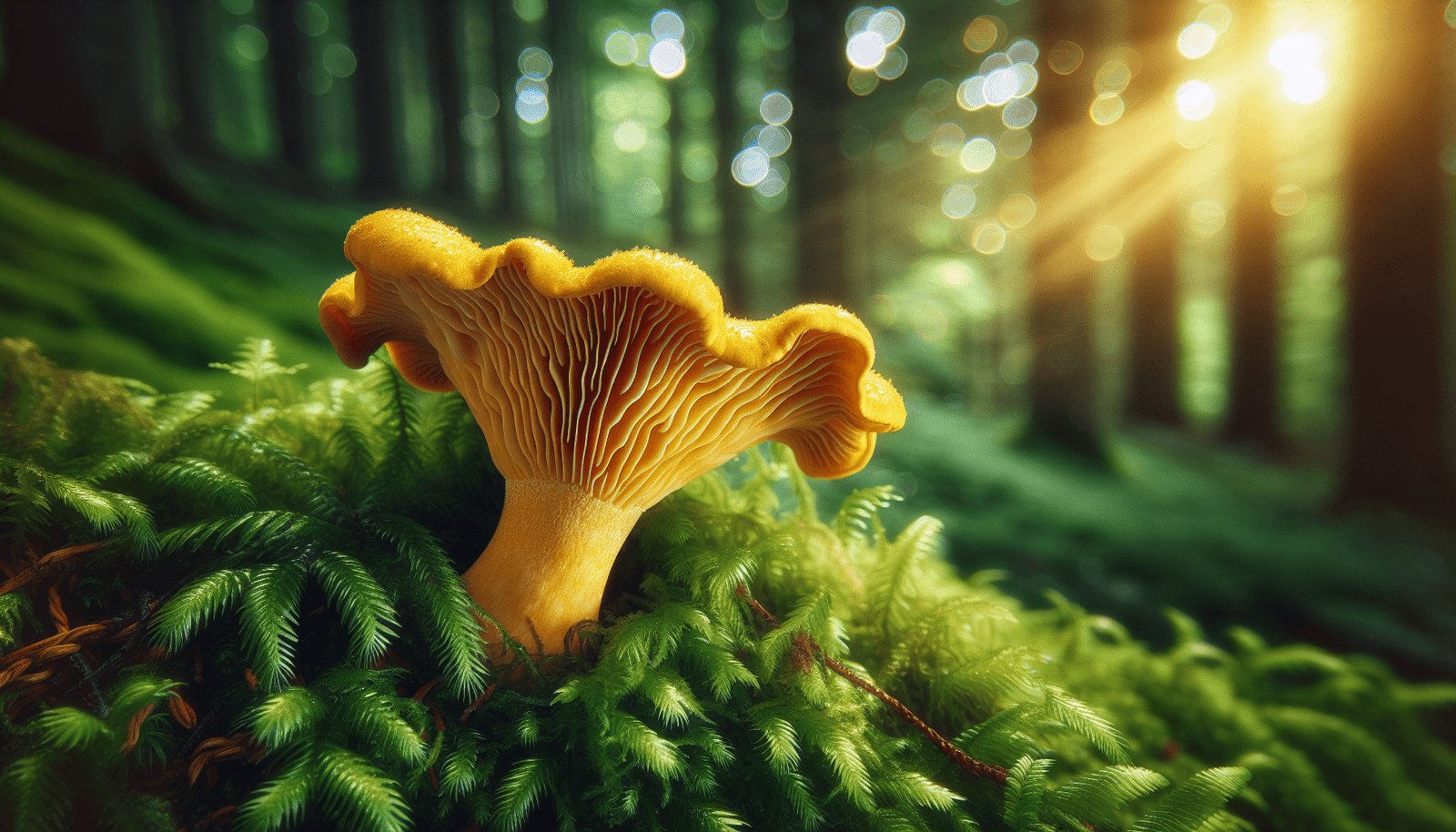
Before setting off on your foraging quest, it’s essential to understand what makes chanterelles so cherished. Renowned for their distinct golden hue and delectable taste, chanterelles are a fungus species that appeal to culinary aficionados and nature lovers alike. These mushrooms grow symbiotically with hardwood and conifer trees, mainly found in regions with adequate rainfall, making Oregon’s humid forests an ideal habitat.
Chanterelles are rich in vitamins and minerals, blending flavor and health benefits. When sautéed, they release a fruity aroma with a hint of pepper, adding a unique flavor to various dishes. Understanding these basic characteristics will help you accurately identify and appreciate chanterelles during your foraging adventure.
Regional Spotlights: Where to Find Chanterelles in Oregon
Oregon’s forests are spread across diverse landscapes, each offering unique conditions favorable for chanterelle growth. Here are some prime locations to begin your chanterelle hunt:
Siuslaw National Forest
Known for its lush greenery and varied topography, the Siuslaw National Forest extends along the Oregon coastline, providing mild temperatures and ample rainfall. These conditions are perfect for chanterelles, which thrive beneath thick forest canopies. Expect to find them nestled amidst mossy ground and decaying wood, often in company with ferns and shrubs.
Mount Hood National Forest
The dense woodlands surrounding Mount Hood are another excellent spot for chanterelle hunting. The blend of coniferous and deciduous trees offers a diverse ecosystem that supports a wide range of mushroom species. Explore areas with Douglas firs and western hemlocks to increase your chances of success.
Tillamook State Forest
With its sprawling hiking trails and dense forests, Tillamook State Forest is a popular destination for mushroom enthusiasts. Thanks to its microclimate, this area often yields a robust harvest of chanterelles. Wander along trail edges and near streams where moisture tends to accumulate, creating a perfect environment for mushrooms.
Willamette National Forest
The Willamette National Forest, with its abundant rainfall and varied elevation, provides an ideal backdrop for chanterelle foraging. This area is known for its scenic beauty, featuring waterfalls and rich wildlife, so it’s worth visiting even beyond the mushroom season.
The Best Seasons for Chanterelle Foraging
Timing your foraging expedition is key to a fruitful outcome. In Oregon, the chanterelle season typically runs from late summer through fall, peaking between September and early November. During this period, the combination of cooler temperatures and increased rainfall fosters the ideal conditions for chanterelles to flourish.
Understanding Seasonal Influences
Chanterelles rely heavily on steady moisture levels and the decomposition of organic matter. Pay attention to the weather patterns, as rainfall can spur a fresh wave of mushrooms. An ideal foraging session follows a few days of rain, allowing the ground to absorb moisture and promoting mushroom growth.
Foraging Techniques and Tools
Venturing into Oregon’s picturesque forests requires preparation and a gentle approach to ensure a successful and sustainable foraging experience.
Essential Foraging Tools
Having the right equipment will enhance your mushroom hunting. Consider bringing along:
- A Foraging Basket: Opt for a wicker basket to allow air circulation, which keeps the mushrooms fresh.
- A Pocket Knife or Scissors: These are ideal for carefully cutting mushrooms at their base.
- Field Guide or Mushroom Identification App: Helpful for distinguishing chanterelles from look-alikes.
- Notebook and Pencil: Useful for taking notes on locations and environmental conditions.
Effective Foraging Techniques
Once equipped, apply these techniques to maximize your foraging yield:
- Scan the Forest Floor: Walk slowly and methodically, scanning the ground for that distinctive golden hue among the foliage.
- Check Under the Right Trees: Look around oak, birch, and conifer trees, as chanterelles form symbiotic relationships with these species.
- Avoid Overly Disturbed Areas: Chanterelles prefer undisturbed forest floors where ecological balance is maintained.
Safety and Ethics of Foraging
Responsible foraging underpins the health of forest ecosystems and ensures that future generations can enjoy these natural resources.
Identifying Edible Chanterelles
Chanterelles have several poisonous look-alikes, such as the false chanterelle and jack-o’-lantern mushrooms, which necessitate careful identification. Chanterelles are funnel-shaped with gill-like ridges that run down the stem, and they emit a mild, fruity scent.
Sustainable Foraging Practices
Respect for nature’s bounty demands that you:
- Harvest Sparingly: Only take what you need, leaving smaller specimens to mature and spread spores.
- Leave No Trace: Minimize your impact by sticking to trails and returning any disturbed foliage to its natural state.
- Avoid Littering: Always carry your trash out with you.
Legal Considerations
Check regional regulations before harvesting mushrooms, as permits may be required for foraging in certain areas. Some forests have foraging limits in place to conserve local ecosystems.
Culinary and Medicinal Uses of Chanterelles
Understanding how to incorporate chanterelles into your cuisine elevates their value beyond the thrill of the hunt.
Culinary Preparations
Chanterelles can be prepared in various ways, from simple sautés to intricate pies. Their meaty texture and nutty flavor make them a perfect addition to pasta dishes, soups, and risottos. Sautéing them with butter, garlic, and herbs highlights their natural flavor.
Medicinal Benefits
In addition to their culinary appeal, chanterelles have been noted for their nutritional benefits. They contain significant amounts of vitamin D, essential for bone health, and antioxidants, which offer anti-inflammatory properties.

Community and Culture: Joining Oregon’s Foraging Enthusiasts
The mushroom foraging community in Oregon is rich and varied, offering several avenues to connect with fellow enthusiasts.
Festivals and Workshops
Participating in local festivals such as the Yachats Village Mushroom Fest provides an excellent opportunity to immerse yourself in the local mushroom culture. Workshops and guided foraging tours are also helpful for building skills and making new connections.
Foraging Groups and Clubs
Joining a mycology group in Oregon can deepen your understanding. These clubs often organize foraging excursions and educational events, providing a supportive environment for learning and sharing experiences.
Conservation and Sustainability
As stewards of the natural world, adopting conservation practices is crucial for the sustainability of mushroom populations.
Understanding Mushroom Ecology
Mushrooms play a vital role in forest ecosystems, aiding in the decomposition process and nutrient cycling. Recognizing their ecological significance fosters a responsible foraging approach.
Supporting Conservation Efforts
Engaging in conservation initiatives such as habitat restoration projects or supporting organizations focused on forest preservation helps maintain the delicate balance necessary for mushroom ecosystems to thrive.
Engaging Narratives and Personal Stories
The allure of mushroom foraging in Oregon is vividly captured through personal stories and narratives from fellow foragers. Listening to these tales enriches your understanding and appreciation of the craft.
Anecdotes from Local Experts
Local mycologists and seasoned foragers often share their stories, providing insights into their personal experiences, challenges, and successes encountered in the field. These captivating narratives offer tips and techniques honed through years of practice.
Connecting with Nature’s Mysteries
For many, the thrill of foraging lies not just in the mushrooms they collect but in the profound connection with nature that the activity cultivates. This shared appreciation nurtures a sense of community and collective responsibility towards our environment.
In conclusion, venturing into Oregon’s forests in search of chanterelles promises a rewarding experience that blends the excitement of discovery with a deeper appreciation for nature. By arming yourself with knowledge, practicing sustainability, and respecting the environment, you are set to explore the rich, hidden treasures that await beneath Oregon’s majestic canopies. Enjoy your journey into the world of chanterelle foraging!
